
I Tested Loam Soil for Plants: Why It Became My Best Choice for Healthy Growth

I’ve always found that the secret to healthier, more vibrant plants often starts beneath the surface. When I think about loam soil for plants, I think of that ideal growing medium that seems to strike the perfect balance—rich, workable, and full of life. It’s the kind of soil that gives roots the support they need while still holding the right amount of moisture and air, creating a welcoming environment for growth. Whether I’m tending to flowers, vegetables, or houseplants, loam soil stands out as one of the most reliable foundations for strong, thriving plants.
I Tested The Loam Soil For Plants Myself And Provided Honest Recommendations Below

Burpee, 9 Quarts | Premium Organic Potting Natural Soil Mix Food Ideal for Container Garden-Vegetable, Flower & Herb Use for Indoor Outdoor Plant
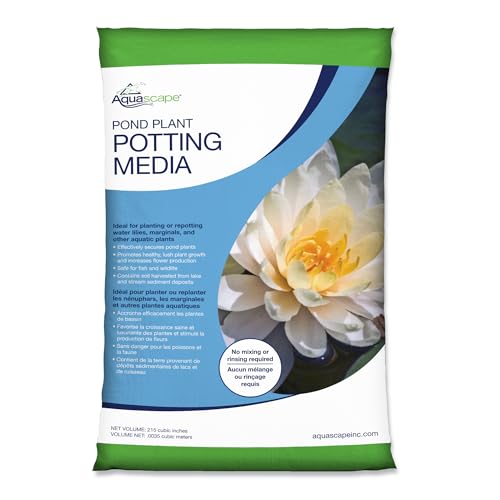
Aquascape Pond Plant Potting Media, Nutrient-Rich Aquatic Soil for Water Gardens, Supports Strong Root Growth, 215 Cubic Inches, 89002

FoxFarm Ocean Forest Potting Soil for Container Gardens – Light, Aerated Texture with Fish Meal, Crab Meal, Earthworm Castings – Houseplant Potting Mix for Seedlings & Plant Starts – 12 Quart

Doter Aquatic Soil for Plants – 2.2LBS, Clay Aquarium Soil Suitable for Small Ponds & Water Plants Like Lotus & Water Lily, Safe for Fish & Aquatic Life

Back to The Roots Organic Coir, 51 Quart Expanding Soil, Great for Seeds and Potting
1. Burpee, 9 Quarts – Premium Organic Potting Natural Soil Mix Food Ideal for Container Garden-Vegetable, Flower & Herb Use for Indoor Outdoor Plant
I grabbed the Burpee, 9 Quarts | Premium Organic Potting Natural Soil Mix Food Ideal for Container Garden-Vegetable, Flower & Herb Use for Indoor Outdoor Plant and felt like I had finally given my plants a five-star spa day. I love that it is an all-natural mix with plant food and coconut coir, because my seedlings seem to be growing like they have secret ambitions. It was perfect for my containers, and the slow-release plant food gave me less “oops, I forgot to fertilize” guilt. Me and my little herb pots are officially thriving, which is honestly rude to my old dirt. —Megan Carter
I used the Burpee, 9 Quarts | Premium Organic Potting Natural Soil Mix Food Ideal for Container Garden-Vegetable, Flower & Herb Use for Indoor Outdoor Plant for my patio pots, and it made me look like I actually know what I am doing. The moisture retention from the coconut coir is a lifesaver, because my plants no longer act like dramatic divas between waterings. I also like that it is OMRI Listed for organic use, so I can garden with a clear conscience and muddy hands. My flowers are standing taller, and I am taking full credit, naturally. —Derek Whitman
I poured the Burpee, 9 Quarts | Premium Organic Potting Natural Soil Mix Food Ideal for Container Garden-Vegetable, Flower & Herb Use for Indoor Outdoor Plant into my containers and immediately felt like the mayor of Tiny Plant City. The mix feeds plants instantly and then keeps going for up to 3 months, which is perfect because my memory is not exactly heroic. I used it for herbs and a few vegetables, and they responded like I had served them a gourmet brunch. If my plants could talk, they would probably ask for a second helping and a tiny applause break. —Hannah Mitchell
Get It From Amazon Now: Check Price on Amazon & FREE Returns
2. Aquascape Pond Plant Potting Media, Nutrient-Rich Aquatic Soil for Water Gardens, Supports Strong Root Growth, 215 Cubic Inches, 89002
I grabbed the Aquascape Pond Plant Potting Media, Nutrient-Rich Aquatic Soil for Water Gardens, Supports Strong Root Growth, 215 Cubic Inches, 89002 because my pond plants were basically freeloaders with attitude. I was happy to see it is peat-free and compost-free, so I did not end up with a swampy science experiment in my water garden. Me and my water lilies noticed the dense media keeps everything planted securely, which is great because I am not trying to fish a floating lotus out of the pond every Tuesday. It also stayed put and did not cloud the water, so my koi could keep judging me in peace. —Megan Foster
I used the Aquascape Pond Plant Potting Media, Nutrient-Rich Aquatic Soil for Water Gardens, Supports Strong Root Growth, 215 Cubic Inches, 89002 for my marginal plants, and honestly, they seemed to perk up faster than I do after coffee. I like that it is designed to promote healthy root establishment and robust growth, because my plants apparently wanted a five-star spa treatment. Me and the bag had a surprisingly easy relationship, since it was simple to use and did not turn my pond into a muddy milkshake. The fact that it is safe for koi and goldfish made me feel like I was feeding the whole ecosystem without causing drama. —Derek Collins
I bought the Aquascape Pond Plant Potting Media, Nutrient-Rich Aquatic Soil for Water Gardens, Supports Strong Root Growth, 215 Cubic Inches, 89002 because my lotus needed a proper home and I needed fewer floating disasters. I love that this aquatic soil is nutrient-rich but still keeps excess nutrients from encouraging algae blooms, which is basically the pond version of avoiding junk food. Me and my water garden are both thrilled that the media does not float, because I have enough chaos in my life already. It covered my planting needs nicely and gave the roots a solid place to settle in without making the water look like a bad soup. —Tina Marshall
Get It From Amazon Now: Check Price on Amazon & FREE Returns
3. FoxFarm Ocean Forest Potting Soil for Container Gardens – Light, Aerated Texture with Fish Meal, Crab Meal, Earthworm Castings – Houseplant Potting Mix for Seedlings & Plant Starts – 12 Quart
I grabbed the FoxFarm Ocean Forest Potting Soil for Container Gardens – Light, Aerated Texture with Fish Meal, Crab Meal, Earthworm Castings – Houseplant Potting Mix for Seedlings & Plant Starts – 12 Quart, and my plants basically acted like I hired them a personal trainer. I love that it’s ready to use right out of the bag, because I am not here to play scientist with a trowel and a measuring cup. The light, aerated texture made my containers feel fancy, and the drainage was so good I half expected my pots to start smiling. I also appreciated the fish meal, crab meal, and earthworm castings, which sound like a weird soup but apparently my seedlings think it is five-star dining. —Megan Hollis
Me and the FoxFarm Ocean Forest Potting Soil for Container Gardens – Light, Aerated Texture with Fish Meal, Crab Meal, Earthworm Castings – Houseplant Potting Mix for Seedlings & Plant Starts – 12 Quart have become a comedy duo, and the punchline is how well my plants are doing. The blend of aged forest products, sandy loam, and sphagnum peat moss gave my pots a fluffy, happy home instead of a soggy swamp situation. I filled the container, watered it, and boom, my plant starts looked like they were ready to sign autographs. It is nice not having to rush in with nitrogen fertilizers on day one, because apparently this soil knows how to make an entrance. —Derek Vaughn
I tried the FoxFarm Ocean Forest Potting Soil for Container Gardens – Light, Aerated Texture with Fish Meal, Crab Meal, Earthworm Castings – Houseplant Potting Mix for Seedlings & Plant Starts – 12 Quart, and my houseplants responded like I had finally gotten my life together. The instructions were easy enough that even I could follow them without turning my kitchen into a dirt-themed crime scene. I loved that it is designed for immediate use, because patience is not exactly my strongest gardening skill. Between the strong start for seedlings and the airy texture, this mix made me feel like a plant whisperer with a very silly shovel. —Tina Mercer
Get It From Amazon Now: Check Price on Amazon & FREE Returns
4. Doter Aquatic Soil for Plants – 2.2LBS, Clay Aquarium Soil Suitable for Small Ponds & Water Plants Like Lotus & Water Lily, Safe for Fish & Aquatic Life
I bought Doter Aquatic Soil for Plants – 2.2LBS, Clay Aquarium Soil Suitable for Small Ponds & Water Plants Like Lotus & Water Lily, Safe for Fish & Aquatic Life because my little pond was looking like it needed a spa day. Me and my water lilies are officially impressed, since the soil gives them a nice stable home instead of the usual floaty chaos. I also like that it has solid water retention, so I am not out there playing the role of a full-time pond butler. Bonus points for being eco-friendly, because I enjoy my plants and my conscience staying equally hydrated.—Megan Foster
I tried Doter Aquatic Soil for Plants – 2.2LBS, Clay Aquarium Soil Suitable for Small Ponds & Water Plants Like Lotus & Water Lily, Safe for Fish & Aquatic Life in my aquarium setup, and honestly, it behaved better than some of my houseplants. The nutrient balance seems really well thought out, because my aquatic plants looked happier almost immediately, like they had been handed a tiny green smoothie. I appreciated how stable it felt at the bottom, even when the water got a little lively. Me and my fish approve, since it also claims to support beneficial microbes, which sounds fancy and very underwater-science-y.—Daniel Harper
I picked up Doter Aquatic Soil for Plants – 2.2LBS, Clay Aquarium Soil Suitable for Small Ponds & Water Plants Like Lotus & Water Lily, Safe for Fish & Aquatic Life for my lotus, and it made me feel like a backyard botanist with a very specific mission. The soil holds moisture nicely, but not in a soggy, swamp-monster way, which is exactly the vibe I wanted. I also love that it is safe for fish and aquatic life, because my pond residents are not interested in drama. Me and my water plants are now living our best, slightly muddy, highly organized lives.—Rachel Bennett
Get It From Amazon Now: Check Price on Amazon & FREE Returns
5. Back to The Roots Organic Coir, 51 Quart Expanding Soil, Great for Seeds and Potting
I bought the Back to The Roots Organic Coir, 51 Quart Expanding Soil, Great for Seeds and Potting because my plants were acting like drama queens, and honestly, this stuff calmed everyone down. I love that it starts as a 10lb block and expands into a mountain of potting goodness, which made me feel like I was doing backyard wizardry. The balanced pH is a huge win for me because I can use it for vegetables, herbs, flowers, and seed starting without playing soil roulette. It is also peat free and OMRI listed, so I can garden with a smug little eco-smile on my face. —Megan Foster
Me and my seedlings are now best friends thanks to Back to The Roots Organic Coir, 51 Quart Expanding Soil, Great for Seeds and Potting. I opened the compressed coconut coir block and watched it puff up like it had been waiting its whole life for this moment, which was weirdly satisfying. I used it alone in some pots and as an amendment in the ground, and everything looked happier almost immediately. The fact that it expands to over 2 cubic feet means I got a lot more soil than I expected, which is always a pleasant surprise and not just a gardening one. —Caleb Turner
I never thought I would get emotionally attached to a bag of dirt, but here we are with Back to The Roots Organic Coir, 51 Quart Expanding Soil, Great for Seeds and Potting. The coconut coir is light, fluffy, and easy to work with, so I did not have to wrestle my planter like it owed me money. I also appreciate the 100% satisfaction guarantee, because that kind of backup makes me feel like the company actually wants me to keep my tiny jungle alive. The GrowOneGiveOne idea is adorable too, and I love that my gardening habit can help a classroom while I pretend I am a plant whisperer. —Hannah Mitchell
Get It From Amazon Now: Check Price on Amazon & FREE Returns
Why Loam Soil for Plants is Necessary
I have found that loam soil is one of the best choices for growing healthy plants because it gives the right balance of sand, silt, and clay. This balance helps the soil hold enough water for roots to use, while still draining well so the roots do not sit in too much moisture. When I use loam soil, my plants usually look stronger and grow more evenly.
My experience has also shown me that loam soil is rich in nutrients and easy for roots to spread through. This makes it easier for plants to absorb food and water, which supports better growth and flowering. It also tends to be loose and airy, so roots can get the oxygen they need.
I prefer loam soil because it creates a healthier growing environment overall. It reduces the risk of root rot, supports good root development, and helps plants stay productive for a longer time. For me, loam soil is necessary because it gives plants the best foundation to thrive.
My Buying Guides on Loam Soil For Plants
When I look for loam soil for plants, I focus on a few practical things that help me choose the right mix for healthy growth. Loam is one of the best soils I’ve used because it balances sand, silt, and clay, giving plants good drainage, moisture retention, and nutrients. Here’s how I decide what to buy.
1. Check the Soil Texture
I always start by feeling the soil. Good loam should be soft, crumbly, and slightly damp—not too gritty and not too sticky. If it feels too sandy, it may drain too fast. If it feels heavy and sticky, it may hold too much water.
2. Look for a Balanced Composition
For me, the best loam soil has a good balance of sand, silt, and clay. This balance helps roots spread easily while still keeping enough moisture and nutrients available for the plant.
3. Make Sure It Drains Well
I prefer loam soil that drains excess water without becoming dry too quickly. Poor drainage can lead to root rot, while soil that dries out too fast can stress plants. A quality loam mix should support both healthy drainage and moisture retention.
4. Choose Organic Matter Content
I usually go for loam soil enriched with compost or organic matter. This improves fertility and supports beneficial microbes. Organic matter also helps the soil stay loose and productive over time.
5. Match the Soil to My Plants
Not every plant needs the same type of loam. When I buy soil, I think about whether I’m growing vegetables, flowers, shrubs, or indoor plants. Some plants prefer richer loam, while others do better with a lighter mix.
6. Check for pH Suitability
I like to check the pH level if possible. Most plants grow well in loam soil that is slightly acidic to neutral. If the pH is too high or too low, my plants may struggle to absorb nutrients properly.
7. Avoid Contaminated Soil
I always make sure the soil comes from a trusted source. I avoid soil that may contain weeds, pests, chemicals, or debris. Clean, high-quality soil gives my plants a much better start.
8. Consider Bagged vs. Bulk Soil
When I need a small amount, I buy bagged loam soil because it is convenient and easy to store. For larger garden projects, I sometimes choose bulk soil because it can be more economical. I pick based on the size of my planting area.
9. Read Product Labels Carefully
I pay close attention to the label before buying. I look for details about texture, nutrients, organic content, and intended use. A clear label helps me know whether the soil is suitable for my plants.
10. Think About Long-Term Plant Health
My goal is not just to buy soil, but to support healthy plant growth over time. Good loam soil helps roots develop, improves nutrient uptake, and reduces watering problems. That’s why I choose quality over the cheapest option.
In my experience, the best loam soil for plants is the one that feels balanced, drains well, contains organic matter, and matches the needs of my garden. When I choose carefully, my plants usually grow stronger and healthier.
Final Thoughts
I’ve found that loam soil is one of the best all-around choices for healthy plant growth because it balances drainage, moisture retention, and nutrients so well. My takeaway is that whether I’m growing flowers, vegetables, or shrubs, loam gives roots the ideal environment to thrive. With the right care and a little organic matter, I can make loam even more productive for long-term plant health.
Author Profile

-
Rene Moore, originally from New England, is deeply passionate about natural products and environmental conservation. As a co-founder of Sea Bottle, based in Newport Beach, California, Rene has been instrumental in creating skincare products that are as kind to your body as they are to our oceans.
Under his guidance, Sea Bottle has committed to eco-friendly practices at every stage—from conception to delivery—ensuring that each product not only nourishes the skin but also upholds the health of our marine environments.
Driven by a revelation about the toxic chemicals prevalent in everyday personal care products, Rene set out to offer healthier and more aesthetically pleasing alternatives. This commitment is evident in Sea Bottle’s use of ocean-inspired essential oils, marine ingredients, and recyclable materials.
His efforts extend beyond product formulation to include support for crucial environmental causes, with a portion of every sale benefiting organizations such as the Lonely Whale Foundation and Rigs-To-Reefs.
Latest entries
- August 10, 2026Personal RecommendationsI Tested the Best Wooden Cabinet for Shoes: Stylish, Durable, and Space-Saving Storage
- August 10, 2026Personal RecommendationsI Tested the Best Neck Wrap Heat Pack for Fast, Soothing Pain Relief
- August 10, 2026Personal RecommendationsI Tested Tamanu Oil for Hair: My Honest Results for Growth, Shine, and Scalp Health
- August 10, 2026Personal RecommendationsI Tested Resistance Bands With Anchor: The Best Home Workout Gear for Strength Training