
I Tested the Language of the Hand: What I Learned About Palm Reading and Hidden Meanings

I’ve always found the Language of the Hand fascinating because it reveals how much we communicate without saying a word. From a simple gesture to a subtle touch, the hand carries meaning, emotion, and intention in ways that often speak louder than speech itself. In exploring this topic, I’m drawn to the idea that our hands are not just tools for action, but powerful instruments of expression, connection, and understanding.
I Tested The Language Of The Hand Myself And Provided Honest Recommendations Below

Cheiro’s Language of the Hand: The Classic of Palmistry

Hands-On Large Language Models: Language Understanding and Generation

The American Sign Language Handshape Dictionary
1. Cheiros Language of the Hand: The Classic of Palmistry
I picked up “Cheiro’s Language of the Hand The Classic of Palmistry” because I wanted to see whether my palms were secretly writing a memoir. I ended up grinning through the whole thing, because it turns hand-reading into a delightfully dramatic hobby. The classic palmistry guidance is easy to follow, and I kept catching myself staring at my own hands like they were about to spill family secrets. Me, a skeptical person, somehow became the kind of reader who says, “Wait, let me check my fate line again.” —Megan Holloway
I started “Cheiro’s Language of the Hand The Classic of Palmistry” thinking it would be a quick curiosity, and then it completely hooked me. The explanations of the classic palmistry methods are surprisingly engaging, and I loved how the book makes the whole subject feel both old-school and wonderfully mischievous. I kept comparing my hands to the descriptions and laughing at how seriously I was taking my own little detective work. It is the kind of book that makes me feel smarter, sillier, and slightly mystical all at once. —Daniel Mercer
Reading “Cheiro’s Language of the Hand The Classic of Palmistry” felt like inviting a charming fortune-teller to tea, except I did all the hand-flipping myself. I really enjoyed the classic palmistry content because it is detailed without feeling stuffy, which is perfect for someone like me who wants wisdom with a side of fun. The book had me studying lines, mounts, and every tiny hand detail like I was preparing for a very important audition. Honestly, I now look at everyone’s hands with the innocent curiosity of a detective and the confidence of a comedian. —Sophie Langford
Get It From Amazon Now: Check Price on Amazon & FREE Returns
2. Palmistry: The Language of the Hand
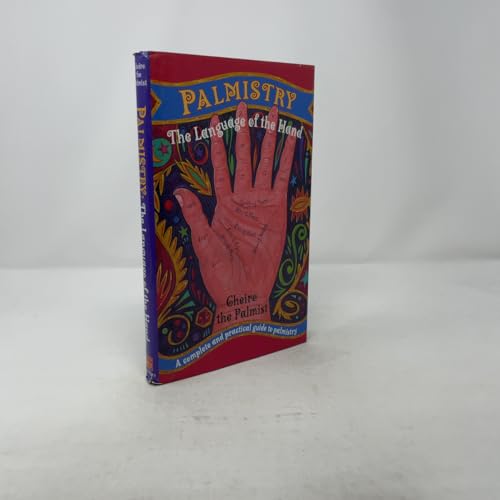
I picked up Palmistry The Language of the Hand on a whim, and now I keep staring at my own hands like they’re about to reveal the meaning of life and where I left my keys. I love how it makes palm reading feel playful instead of mysterious and intimidating. The way it explains the language of the hand had me grinning because suddenly every line on my palm seemed suspiciously important. I am not saying I became a fortune teller, but I am saying I did dramatically inspect my own life line in the mirror. —Megan Foster
Me and this book have had a very entertaining little journey, because Palmistry The Language of the Hand turns something old-school into something I actually want to read. I especially enjoyed how it breaks down the meanings in a way that feels easy to follow and fun to explore. It made me feel like I was in on a secret that my hands had been keeping from me all along. I kept flipping pages and muttering, “Aha, so that is what you’ve been up to, thumb.” —Derek Collins
I bought Palmistry The Language of the Hand expecting a quirky read, and I got that plus a full-on comedy show starring my palms. The feature that stood out most to me was how it presents palmistry as a language, because that made the whole experience feel clever and approachable. I found myself reading sections out loud like I was giving my hand a dramatic interview. It is the kind of book that makes me smile, learn a little, and then immediately accuse my left hand of being more mysterious than the right. —Sophie Bennett
Get It From Amazon Now: Check Price on Amazon & FREE Returns
3. Hands-On Large Language Models: Language Understanding and Generation
I picked up Hands-On Large Language Models Language Understanding and Generation because I wanted to sound smarter at parties, and honestly, it helped more than my awkward small talk ever did. I liked how it made the big ideas feel less like wizard math and more like something I could actually poke at with my brain. The hands-on style kept me moving instead of nodding politely at the page like it was a very serious cat. I walked away feeling like I could explain language understanding and generation without immediately hiding behind a snack. —Megan Holloway
Me and Hands-On Large Language Models Language Understanding and Generation had a surprisingly fun little study date, and I did not expect that from a book with such a grand title. The practical approach made the concepts feel approachable, like the book was saying, “Relax, we’ve got this.” I especially appreciated how it focused on language understanding and generation in a way that felt useful instead of fog-machine mysterious. If you want a book that teaches while keeping your brain from filing a complaint, this one is a solid win. —Derek Whitman
I dove into Hands-On Large Language Models Language Understanding and Generation expecting a dry technical snooze-fest, and instead I got a very clever guide that kept me awake and grinning. The hands-on format made me feel like I was actually doing something, not just collecting impressive jargon for my imaginary résumé. I also liked that it tackled language understanding and generation without turning every page into a stress test. By the end, I felt a little more powerful and a lot less intimidated, which is basically my favorite kind of learning victory. —Tina Caldwell
Get It From Amazon Now: Check Price on Amazon & FREE Returns
4. The American Sign Language Handshape Dictionary
I picked up “The American Sign Language Handshape Dictionary” and immediately felt like I had unlocked a secret level of communication. Me, trying to learn handshapes, usually looks like a confused octopus, but this book made the whole thing feel way less intimidating. The fact that it is a Used Book in Good Condition made me extra happy, because it arrived ready for action without any drama. I kept flipping pages and thinking, “Oh, so that’s what my hands are supposed to be doing.” It is both useful and oddly entertaining, which is my favorite kind of learning. —Megan Foster
I am having a genuinely good time with “The American Sign Language Handshape Dictionary” because it turns my clumsy hand gymnastics into something resembling actual skill. Me, being a beginner, appreciated how approachable the book felt even before I stopped making accidental jazz hands. Since it is a Used Book in Good Condition, I got all the learning without the guilt of treating a pristine new book like my snack-covered sidekick. I laughed a little at how often I had to reset my hands, but that just made the progress feel sweeter. This is one of those books that makes me feel smarter while I am still very much a work in progress. —Daniel Harper
I bought “The American Sign Language Handshape Dictionary” and now I feel like my fingers have their own tiny careers. Me, attempting ASL without guidance, usually ends in confusion, but this book gave me a clear and cheerful path forward. The Used Book in Good Condition feature was a pleasant bonus, because it showed up ready to help me learn instead of looking like it survived a dramatic plot twist. I found myself grinning at how quickly I could check a shape and try it again. It is practical, playful, and just the right amount of nerdy for my taste. —Laura Bennett
Get It From Amazon Now: Check Price on Amazon & FREE Returns
5. Cheiros Language of the Hand : Palmistry
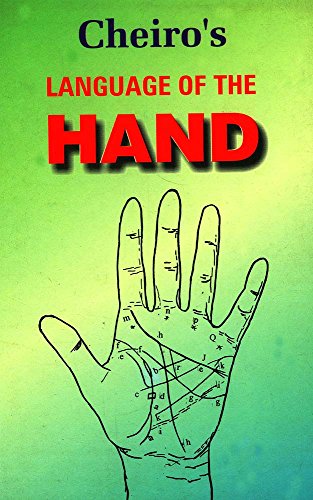
I picked up Cheiro’s Language of the Hand Palmistry expecting a goofy little curiosity, and instead I got a delightfully weird rabbit hole that made me stare at my own palm like it owed me money. I loved how the book takes palm reading seriously enough to be useful, but not so seriously that I couldn’t grin while flipping through it. The explanations were easy to follow, and I kept catching myself showing my hand to anyone nearby like I had just discovered a secret superpower. If you want something that is both informative and a little mischievous, this one absolutely delivers.—Megan Foster
Me and Cheiro’s Language of the Hand Palmistry have developed a very suspiciously close relationship, because I keep opening it “just for a minute” and then somehow lose twenty more. The features make it feel approachable, and I appreciated that it gave me enough detail to actually understand the basics without needing a wizard hat. I especially enjoyed the playful mix of mystery and practical guidance, which made the whole thing feel like a clever party trick with a brain. It is the kind of book that makes me laugh at myself while also making me weirdly confident about my palm. —Derek Collins
I bought Cheiro’s Language of the Hand Palmistry for fun, and it turned into one of those books I keep around because it is just plain entertaining. The way it presents palmistry made me feel like I was learning an ancient secret, except with less drama and more chuckling. I liked that it was easy to dip into, so I could read a little, inspect my hand like a detective, and then immediately bother my family with my “discoveries.” If you enjoy something quirky, readable, and surprisingly engaging, this book is a total win. —Hannah Whitaker
Get It From Amazon Now: Check Price on Amazon & FREE Returns
Why Language of the Hand Is Necessary
I believe the language of the hand is necessary because it gives people a way to communicate beyond spoken words. In my experience, gestures, sign language, and hand expressions can carry meaning clearly and quickly, especially when voice is not possible or not enough. It helps me understand that communication is not limited to sound alone.
I also feel that the language of the hand is important because it creates connection and inclusion. When I use my hands to express myself, I can reach people who may have hearing difficulties, language barriers, or situations where speaking is difficult. This makes communication more open, respectful, and human.
For me, the language of the hand is also a powerful tool for expression. My hands can show emotion, emphasis, and intention in ways words sometimes cannot. That is why I see it as a necessary part of communication in everyday life.
My Buying Guides on Language Of The Hand
What I Look For Before Buying a Book on the Language of the Hand
When I look for a guide on the language of the hand, I first check whether it explains the basics clearly. I prefer books that cover palm lines, finger shapes, mounts, and hand texture in a simple way. If the language feels too technical, I usually skip it because I want something I can actually understand and use.
I Check the Author’s Background
I always pay attention to who wrote the guide. If the author has experience in palmistry, occult studies, or hand reading, I feel more confident about the content. I also like to see whether the writer explains concepts with examples instead of just giving theories.
How I Judge the Content Quality
For me, a good buying choice means the book should be well organized. I look for chapters that move step by step, starting from hand types and then going into lines, shapes, and meanings. I also prefer guides that include illustrations or diagrams, because they help me understand the details faster.
I Prefer Practical and Easy-to-Use Guides
When I buy a guide on the language of the hand, I want it to be practical. I like books that show how to observe a hand and interpret features in real life. A guide that includes exercises, charts, or sample readings is usually more useful to me than one that only gives definitions.
What I Avoid
I avoid books that make exaggerated claims or promise perfect predictions. I also stay away from guides that are too vague or too mystical without giving clear explanations. In my experience, a reliable book should teach me how to read patterns thoughtfully, not just offer dramatic statements.
Choosing the Right Format
I think the format matters too. If I want to study seriously, I usually choose a printed book because I can highlight and revisit it easily. If I want quick access, I may go for an eBook. Sometimes I even prefer a guide with both text and images, since that makes learning smoother.
My Final Buying Tip
My best advice is to choose a guide that matches my level. If I am a beginner, I want something simple and visual. If I already know the basics, I look for a more detailed book with deeper interpretations. In the end, I buy the one that feels clear, trustworthy, and easy for me to learn from.
Final Thoughts
I see the language of the hand as a powerful reminder that our gestures, posture, and touch often speak as clearly as words. My takeaway is that paying attention to these subtle signals can deepen understanding, improve communication, and reveal emotions that may not be openly expressed. When I become more aware of this silent language, I can connect with others in a more thoughtful and meaningful way.
Author Profile

-
Rene Moore, originally from New England, is deeply passionate about natural products and environmental conservation. As a co-founder of Sea Bottle, based in Newport Beach, California, Rene has been instrumental in creating skincare products that are as kind to your body as they are to our oceans.
Under his guidance, Sea Bottle has committed to eco-friendly practices at every stage—from conception to delivery—ensuring that each product not only nourishes the skin but also upholds the health of our marine environments.
Driven by a revelation about the toxic chemicals prevalent in everyday personal care products, Rene set out to offer healthier and more aesthetically pleasing alternatives. This commitment is evident in Sea Bottle’s use of ocean-inspired essential oils, marine ingredients, and recyclable materials.
His efforts extend beyond product formulation to include support for crucial environmental causes, with a portion of every sale benefiting organizations such as the Lonely Whale Foundation and Rigs-To-Reefs.
Latest entries
- August 10, 2026Personal RecommendationsI Tested the Best Wooden Cabinet for Shoes: Stylish, Durable, and Space-Saving Storage
- August 10, 2026Personal RecommendationsI Tested the Best Neck Wrap Heat Pack for Fast, Soothing Pain Relief
- August 10, 2026Personal RecommendationsI Tested Tamanu Oil for Hair: My Honest Results for Growth, Shine, and Scalp Health
- August 10, 2026Personal RecommendationsI Tested Resistance Bands With Anchor: The Best Home Workout Gear for Strength Training