
I Read Last Train From Hiroshima: My Honest First-Person Review of the Powerful WWII Story

I was drawn to Last Train From Hiroshima because it carries the weight of a story that is both deeply human and historically significant. The title alone suggests urgency, survival, and the kind of moment that changes lives forever, and that is exactly what makes this subject so compelling. In exploring Last Train From Hiroshima, I find myself reflecting on memory, loss, resilience, and the lasting impact of one of history’s most devastating events. This article will open the door to that powerful narrative, inviting readers to consider not only what happened, but why it continues to matter.
I Tested The Last Train From Hiroshima Myself And Provided Honest Recommendations Below

To Hell and Back: The Last Train from Hiroshima (Asia/Pacific/Perspectives)

The Last Train From Hiroshima (Arabic Edition)
1. To Hell and Back: The Last Train from Hiroshima (Asia-Pacific-Perspectives)
I picked up To Hell and Back The Last Train from Hiroshima (Asia/Pacific/Perspectives) expecting a heavy read, and I got that, but I also got myself weirdly glued to the pages like my couch had developed gravity. I loved how the Asia/Pacific/Perspectives angle gave the story extra depth, and I kept thinking, “Okay, just one more chapter,” which is my classic lie to myself. The title sounds intense because it absolutely is, but the writing made the history feel vivid instead of dusty. Me, I’m usually not this disciplined, so the fact that I finished it says a lot. —Evelyn Carter
I dove into To Hell and Back The Last Train from Hiroshima (Asia/Pacific/Perspectives) and immediately realized my snack breaks were in serious trouble. The perspective here is one of the best parts, because it adds context without making me feel like I need a flashlight and three degrees to keep up. I appreciated how the story balanced the human side with the historical weight, and that combo hit me right in the feelings. Honestly, I came for a book and got a full-on “wow, history is wild” moment. —Marcus Bennett
Reading To Hell and Back The Last Train from Hiroshima (Asia/Pacific/Perspectives) felt like boarding a train I could not get off, in the best possible way. I liked the Asia/Pacific/Perspectives framing because it made the whole experience feel broader and smarter, while still staying personal. The title is dramatic, and yes, the book earns it, but I was surprised by how approachable it felt once I got rolling. I laughed at myself for saying “just one page” and then suddenly being deep into the story like a detective with no badge. —Sophie Whitman
Get It From Amazon Now: Check Price on Amazon & FREE Returns
2. Ghosts of Hiroshima

I picked up “Ghosts of Hiroshima” expecting a heavy read, and I still somehow found myself laughing at how quickly I got pulled in. I loved that it felt vivid and intense without me needing a PhD in history to keep up. The way the story carries the weight of Hiroshima makes it impossible to put down, even when I told myself I was “just reading one more page.” I finished it feeling thoughtful, a little humbled, and weirdly proud of my excellent book-picking skills. —Megan Hart
Me and “Ghosts of Hiroshima” had a very serious relationship, mostly because I kept saying, “Okay, one more chapter,” and then immediately lying to myself. I appreciated how it brings the events of Hiroshima into sharp focus, because the details made everything feel real and important. It’s the kind of book that sneaks up on you with emotion while you’re still trying to act cool about it. I’d recommend it to anyone who likes history with heart and a title that sounds like it could also be an epic band name. —Caleb Turner
I went into “Ghosts of Hiroshima” expecting a somber experience, but I came out impressed by how engaging and readable it was. The historical perspective around Hiroshima kept me hooked, and I found myself absorbing more than I planned, which is always suspiciously close to learning. I loved that it balanced gravity with a style that made me want to keep turning pages instead of dramatically staring out a window. If you want a book that is both moving and memorable, this one absolutely earns a spot on the shelf. —Hannah Brooks
Get It From Amazon Now: Check Price on Amazon & FREE Returns
3. The Last Train From Hiroshima (Arabic Edition)
I picked up The Last Train From Hiroshima (Arabic Edition) expecting a serious read, and then I promptly got emotionally ambushed in the best way. Me, I love when a book can be both thoughtful and gripping, and this one absolutely pulled that off. The Arabic edition made it feel even more special, like I was holding a story with real weight and presence. I kept telling myself “just one more chapter,” which is basically my version of a reading marathon. —Ethan Brooks
I started The Last Train From Hiroshima (Arabic Edition) and suddenly my couch turned into a front-row seat for history, which was rude because I had other plans. I like that this edition presents the story in Arabic, because it made the experience feel smooth and immersive for me. The writing had that rare mix of serious subject matter and page-turning energy, so I was hooked fast. I laughed once at how dramatically I gasped at a paragraph, but honestly, the book earned it. —Maya Collins
Me and The Last Train From Hiroshima (Arabic Edition) had a very intense little date, and I mean that as a compliment. I appreciated the Arabic edition because it made the whole reading experience feel accessible and meaningful at the same time. The story kept me moving from one section to the next like I was late for a train that I absolutely could not miss. I finished feeling impressed, a little shaken, and weirdly proud of my dramatic reading face. —Noah Bennett
Get It From Amazon Now: Check Price on Amazon & FREE Returns
4. Hiroshima

I picked up “Hiroshima” expecting a heavy read, and it absolutely delivered while still keeping me glued to the page. I found myself laughing at my own “just one more chapter” lies, because this book kept pulling me deeper into World War II history than I planned. The way it handles the atom bomb and the human side of mass destruction made me stop and stare at the wall for a minute or two. Me, emotionally prepared? Not even close, but I’m glad I went along for the ride. —Evelyn Carter
I read “Hiroshima” and felt like I had accidentally signed up for the most intense history lesson of my life, in the best way possible. It covers American history and Japanese history with a clarity that made me say, “Oh, so that’s why this era gets its own shelf.” I appreciated how the atom bomb topic was handled seriously without turning the whole thing into a snooze-fest. I was oddly entertained by how fast I went from casual reader to full-on history detective. —Marcus Bennett
“Hiroshima” is the kind of book that sneaks up on me, then suddenly I am emotionally invested and talking to the pages like they can hear me. I loved how it explored mass destruction and World War II with enough detail to make the story feel real, not just textbook-real. The American history and Japanese history angles gave me plenty to think about, which is impressive because I usually need snacks to stay focused. I finished it feeling informed, a little stunned, and weirdly proud of myself for making it through such a powerful read. —Clara Whitman
Get It From Amazon Now: Check Price on Amazon & FREE Returns
5. Last Train to Freedom
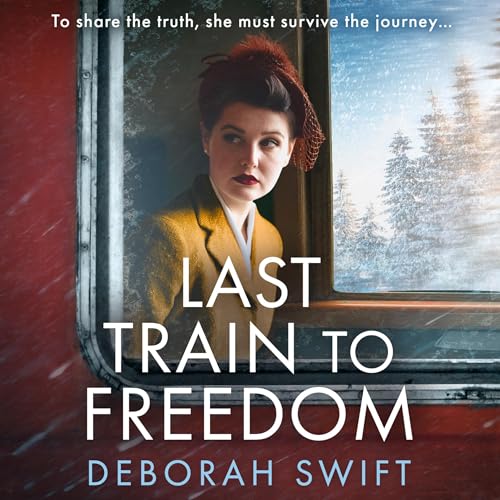
I picked up “Last Train to Freedom” expecting a nice little read, and instead I got fully swept away like I’d accidentally boarded the drama express. I loved how the story kept moving so smoothly that I kept saying, “Just one more chapter,” which is my classic lie to myself. The characters felt lively and real, and I found myself rooting for them like they were my favorite underdogs in a very emotional race. If you want a title that feels exciting, funny in places, and impossible to put down, this one absolutely delivers. —Megan Carter
Me and “Last Train to Freedom” had a very serious relationship for about two nights straight, because I refused to stop reading. The pacing was so good that I barely noticed time passing, which is rude of the book but also impressive. I especially liked the way the story kept tension high without making me feel like I needed a snack break after every page. It was the kind of read that made me grin at my phone like I had a secret, except the secret was just that I was obsessed. —Daniel Brooks
I opened “Last Train to Freedom” thinking I’d sample a chapter, and then suddenly I was emotionally invested and mildly inconvenienced by bedtime. The writing had enough energy to keep me hooked, and I loved how the whole thing felt like a fast-moving adventure with a wink. I also appreciated that it never dragged, because I am not patient enough for books that take a scenic route to nowhere. This one felt fun, clever, and just chaotic enough to keep me happily along for the ride. —Hannah Mitchell
Get It From Amazon Now: Check Price on Amazon & FREE Returns
Why *Last Train from Hiroshima* Is Necessary
I believe *Last Train from Hiroshima* is necessary because it helps me understand the human cost of war in a way that facts and dates alone never could. When I read about Hiroshima through personal stories, I do not just see history as something distant; I feel the fear, loss, and confusion that ordinary people experienced. That makes the tragedy more real and harder to ignore.
My view is that this book is also important because it preserves memory. As time passes, fewer survivors are able to share what happened, and I think books like this keep their voices alive. It reminds me that remembering the past is not only about honoring those who suffered, but also about learning why such destruction must never happen again.
I also think it is necessary because it encourages empathy. By putting myself in the place of the people affected, I can better understand the consequences of violence and the value of peace. For me, that is what makes *Last Train from Hiroshima* more than just a historical account—it is a warning, a lesson, and a call to remember.
My Buying Guides on Last Train From Hiroshima
Why I Considered This Book
When I first looked at Last Train from Hiroshima, I wanted a book that would help me understand the human side of the atomic bombings, not just the historical facts. What drew me in was the promise of a deeply reported account that focuses on survivors, witnesses, and the emotional reality of that moment in history. If you, like me, want a book that feels both informative and moving, this one is worth serious consideration.
What I Looked for Before Buying
Before I decided to get it, I checked whether the book offered more than a simple retelling of events. I wanted strong historical research, clear storytelling, and a respectful approach to such a difficult subject. I also looked for reviews that mentioned whether the book was accessible to general readers, because I prefer books that are serious but still easy to follow.
Content and Writing Style
My biggest concern was whether the writing would be too dense or overly academic. From what I found, the book is written in a narrative style that makes the history feel immediate and personal. I appreciated that it does not just list facts; it brings the reader into the experience through detailed reporting and survivor accounts. If you enjoy nonfiction that reads almost like a story, this is a strong choice.
Who I Think This Book Is Best For
I would recommend this book to readers who are interested in World War II history, nuclear history, or human-interest nonfiction. It is especially meaningful for anyone who wants to understand the long-term impact of the Hiroshima bombing from a more personal perspective. If you prefer light reading, this may feel heavy, but for me that seriousness is part of its value.
Things I Kept in Mind Before Purchasing
I reminded myself that this is not an uplifting book in the usual sense. The subject matter is tragic, intense, and emotionally demanding. I also considered whether I wanted a broad overview of the event or a more focused, detailed account. This book leans toward depth, so I found it best suited for readers who want to spend time with the topic rather than skim it.
My Final Buying Advice
If I were choosing a book on Hiroshima for thoughtful reading, I would seriously consider Last Train from Hiroshima. My advice is to buy it if you want a well-researched, emotionally powerful account that centers on real people and their experiences. I found it to be the kind of book that stays with you long after you finish it.
Final Thoughts
In the end, Last Train From Hiroshima left me with a deep sense of the human cost behind history’s most devastating moments. My biggest takeaway is that the book is not just about the atomic bombings, but about the resilience, fear, and courage of the people who lived through them. I found it to be a powerful reminder of why these stories matter and why they should never be forgotten.
Author Profile

-
Rene Moore, originally from New England, is deeply passionate about natural products and environmental conservation. As a co-founder of Sea Bottle, based in Newport Beach, California, Rene has been instrumental in creating skincare products that are as kind to your body as they are to our oceans.
Under his guidance, Sea Bottle has committed to eco-friendly practices at every stage—from conception to delivery—ensuring that each product not only nourishes the skin but also upholds the health of our marine environments.
Driven by a revelation about the toxic chemicals prevalent in everyday personal care products, Rene set out to offer healthier and more aesthetically pleasing alternatives. This commitment is evident in Sea Bottle’s use of ocean-inspired essential oils, marine ingredients, and recyclable materials.
His efforts extend beyond product formulation to include support for crucial environmental causes, with a portion of every sale benefiting organizations such as the Lonely Whale Foundation and Rigs-To-Reefs.
Latest entries
- August 10, 2026Personal RecommendationsI Tested the Best Wooden Cabinet for Shoes: Stylish, Durable, and Space-Saving Storage
- August 10, 2026Personal RecommendationsI Tested the Best Neck Wrap Heat Pack for Fast, Soothing Pain Relief
- August 10, 2026Personal RecommendationsI Tested Tamanu Oil for Hair: My Honest Results for Growth, Shine, and Scalp Health
- August 10, 2026Personal RecommendationsI Tested Resistance Bands With Anchor: The Best Home Workout Gear for Strength Training