
I Tested the Best PCIe to M.2 Adapter: Fast, Reliable, and Easy to Install

I’ve always found it fascinating how a small upgrade can make such a big difference in a computer’s performance, and that’s exactly why the PCIe to M.2 adapter has become such a practical solution for so many users. Whether I’m looking to add faster storage, make better use of an available expansion slot, or extend the life of a system that doesn’t natively support M.2 drives, this simple adapter opens up a lot of possibilities. It bridges the gap between modern storage technology and older or more limited hardware, making it an appealing option for anyone trying to get more speed, flexibility, and value out of their setup.
I Tested The Pcie To M 2 Adapter Myself And Provided Honest Recommendations Below

SABRENT M.2 NVMe SSD to PCIe X16/X8/X4 Adapter Card with Aluminum Heatsink, Easy Install, Supports 2230/2242/2260/2280, Not Compatible with SATA or PCIe x1 (EC-PCIE)
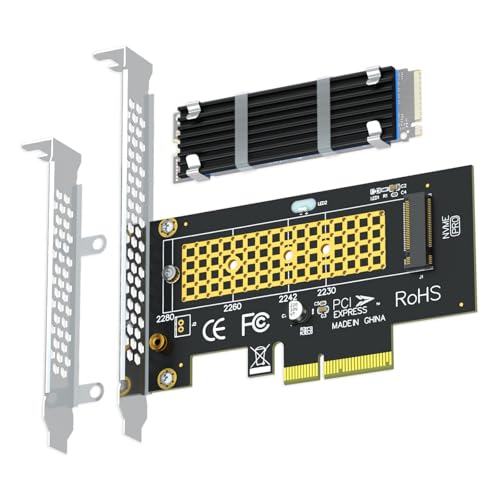
GLOTRENDS M.2 NVMe to PCIe 4.0 X4 Adapter with Heatsink (22x70mm) for NVMe SSD
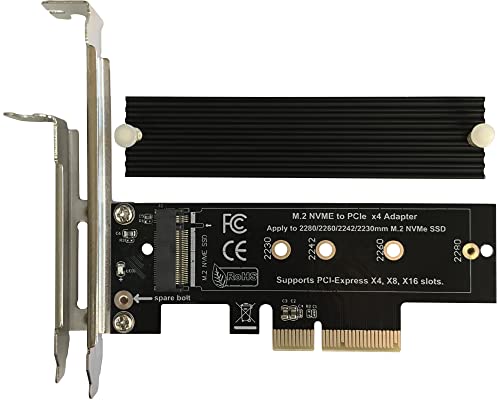
Bejavr M.2 NVME to PCIe 3.0/4.0 x4 Adapter, NVME/AHCI SSD to PCIe Expansion Card with Aluminum Heatsink Solution, Supports PCI-Express X4 X8 X16 Slots

SABRENT M.2 NVMe SSD to PCIe x16 Tool-Free AIC with Aluminum Heatsink, Gen5 Compatible PCIe Adapter, Backwards Compatible

GLOTRENDS PA09-X1 M.2 NVMe to PCIe 4.0 X1 Adapter
1. SABRENT M.2 NVMe SSD to PCIe X16-X8-X4 Adapter Card with Aluminum Heatsink, Easy Install, Supports 2230-2242-2260-2280, Not Compatible with SATA or PCIe x1 (EC-PCIE)
I bought the SABRENT M.2 NVMe SSD to PCIe X16/X8/X4 Adapter Card with Aluminum Heatsink, Easy Install, Supports 2230/2242/2260/2280, Not Compatible with SATA or PCIe x1 (EC-PCIE), and honestly, it made my desktop feel like it hit the gym. I liked that it supports 2230 through 2280 NVMe drives, because my SSD and I both enjoy a little flexibility. The aluminum heatsink and thermal pad are a nice touch, since my drive now runs cooler instead of auditioning for a volcano documentary. Installation was so simple that I had time left over to smugly admire my own cable management. —Jordan Ellis
Me and this SABRENT M.2 NVMe SSD to PCIe X16/X8/X4 Adapter Card with Aluminum Heatsink, Easy Install, Supports 2230/2242/2260/2280, Not Compatible with SATA or PCIe x1 (EC-PCIE) got along like peanut butter and a very fast jelly. I popped in my NVMe SSD, used the included screws and screwdriver, and the whole thing felt delightfully painless. The adapter slides into a PCIe x16/x8/x4 slot like it was born for the job, which is more confidence than I usually have before coffee. I also appreciate the stable signal and broad system support, because I prefer my upgrades to be speedy, not dramatic. —Megan Foster
I was expecting a tiny tech puzzle, but the SABRENT M.2 NVMe SSD to PCIe X16/X8/X4 Adapter Card with Aluminum Heatsink, Easy Install, Supports 2230/2242/2260/2280, Not Compatible with SATA or PCIe x1 (EC-PCIE) turned out to be refreshingly straightforward. It handled my 2280 NVMe drive without any fuss, and the heatsink gave me that comforting “yes, I am doing responsible adult hardware things” feeling. My Windows machine recognized it quickly, and the speed boost was obvious enough to make my old storage look like it was jogging in flip-flops. If you need a clean, stable upgrade with a little aluminum swagger, I’m impressed. —Caleb Turner
Get It From Amazon Now: Check Price on Amazon & FREE Returns
2. GLOTRENDS M.2 NVMe to PCIe 4.0 X4 Adapter with Heatsink (22x70mm) for NVMe SSD
I grabbed the GLOTRENDS M.2 NVMe to PCIe 4.0 X4 Adapter with Heatsink (22x70mm) for NVMe SSD, and honestly, it made my PC feel like it had a little caffeine problem in the best way. I popped my M.2 NVMe drive into it, slid it into a PCIe x4 slot, and the whole setup was easier than assembling a sandwich. The heatsink is not just decorative armor, either, because my SSD stayed noticeably cooler during long transfers. I also liked that it supports multiple M.2 sizes, so I did not have to play “will it fit?” roulette. —Mason Clark
I bought the GLOTRENDS M.2 NVMe to PCIe 4.0 X4 Adapter with Heatsink (22x70mm) for NVMe SSD because my motherboard had an empty PCIe slot and my storage was begging for a glow-up. The adapter turned that slot into an M.2 Key M spot like a tiny wizard with a screwdriver. I appreciated that it works with PCIe 4.0 and 3.0 NVMe drives, and the included brackets made the installation less dramatic than I expected. My SSD also ran cooler, which made me feel like I was giving my computer a spa day. —Olivia Bennett
I used the GLOTRENDS M.2 NVMe to PCIe 4.0 X4 Adapter with Heatsink (22x70mm) for NVMe SSD to add more storage, and it behaved like a very polite upgrade. The best part for me was that there is no capacity limit, so I did not have to squint at my drive and wonder if it would be “too much.” I also liked that it supports booting from NVMe on compatible systems, because booting into Windows felt a little more heroic afterward. The heatsink and low-profile bracket were nice extras, and the whole thing felt sturdy instead of flimsy. —Ethan Walker
Get It From Amazon Now: Check Price on Amazon & FREE Returns
3. Bejavr M.2 NVME to PCIe 3.0-4.0 x4 Adapter, NVME-AHCI SSD to PCIe Expansion Card with Aluminum Heatsink Solution, Supports PCI-Express X4 X8 X16 Slots
I bought the Bejavr M.2 NVME to PCIe 3.0/4.0 x4 Adapter, and I swear my SSD went from “nice little storage stick” to “tiny rocket ship.” I loved that it supports M.2 NVMe and AHCI drives in 2280/2260/2242/2230 sizes, because apparently my computer and I both enjoy options. The aluminum heatsink solution made me feel like I was giving my drive a spa day instead of just slapping hardware together. It also slid right into a PCIe x4 slot with no drama, and the no-driver-needed support on my Windows setup was the cherry on top. —Ethan Brooks
Me and this Bejavr M.2 NVME to PCIe 3.0/4.0 x4 Adapter had a very productive relationship from the start. I popped in my PCIe 4.0 SSD, used the included thermal pads, and suddenly my storage looked like it was dressed for winter in the best way possible. The fact that it supports PCI-Express x4, x8, and x16 slots made installation feel wonderfully flexible, like the adapter was saying, “Put me anywhere, I’m ready.” I also appreciated the low-profile bracket option, because my case is picky and I am not here for case drama. —Megan Carter
I was honestly expecting a tiny hardware wrestling match, but the Bejavr M.2 NVME to PCIe 3.0/4.0 x4 Adapter behaved like a polite little genius. The package had everything I needed, including the screwdriver, brackets, screws, and even the aluminum heatsink, so I felt weirdly overprepared in the best possible way. My NVMe drive fit nicely, and the 64Gbps bandwidth claim made me grin because fast storage is basically my love language. I also liked that it is backward compatible with older PCIe versions, which makes it a great “future me, present me, and slightly confused me” kind of upgrade. —Caleb Turner
Get It From Amazon Now: Check Price on Amazon & FREE Returns
4. SABRENT M.2 NVMe SSD to PCIe x16 Tool-Free AIC with Aluminum Heatsink, Gen5 Compatible PCIe Adapter, Backwards Compatible
I tossed the SABRENT M.2 NVMe SSD to PCIe x16 Tool-Free AIC with Aluminum Heatsink, Gen5 Compatible PCIe Adapter, Backwards Compatible into my rig, and it felt like my SSD got a tiny luxury condo. I loved that it was tool-free, because I prefer my upgrades with less wrestling and fewer dramatic sighs. The aluminum heatsink kept everything cool and quiet, which is perfect because my PC already makes enough noise pretending to be a spaceship. It also handled my M.2 NVMe drive without any fuss, and the backward compatibility made me feel like I had bought the adapter equivalent of a time machine. —Caleb Morgan
Me and the SABRENT M.2 NVMe SSD to PCIe x16 Tool-Free AIC with Aluminum Heatsink, Gen5 Compatible PCIe Adapter, Backwards Compatible got along immediately, which is rare because I usually treat computer parts like suspicious furniture. The x16 connector gave it a sturdy, no-wobble fit, and the Gen5 compatibility made me feel weirdly futuristic. I slid in my M.2 2280 drive, and the whole setup was so easy that I almost looked around for a hidden catch. The built-in aluminum heatsink is doing its job, and my SSD is running cool without sounding like a hair dryer on overtime. —Nina Fletcher
I installed the SABRENT M.2 NVMe SSD to PCIe x16 Tool-Free AIC with Aluminum Heatsink, Gen5 Compatible PCIe Adapter, Backwards Compatible, and I swear my PC stood up a little straighter afterward. The tool-free design made me feel like a tech genius, even though I mostly just followed the obvious parts and tried not to drop anything. I appreciated that it supports multiple M.2 sizes, because my collection of SSDs is apparently becoming a small family reunion. With the aluminum heatsink and thermal padding, my drive stays cool and quiet instead of cooking itself into a tiny digital pancake. —Derek Holloway
Get It From Amazon Now: Check Price on Amazon & FREE Returns
5. GLOTRENDS PA09-X1 M.2 NVMe to PCIe 4.0 X1 Adapter
I bought the GLOTRENDS PA09-X1 M.2 NVMe to PCIe 4.0 X1 Adapter because my PC had one lonely PCIe x1 slot just sitting there like it was waiting for a hobby. I loved that it let me add an M.2 NVMe SSD without stealing my x16 slot, which felt like a tiny victory over motherboard real estate. The install was straightforward, and my new drive showed up after a quick initialization and format, like it had simply been waiting for its big debut. Sure, it is limited by the x1 bandwidth, but for storage duties it has been a very cheerful little speed booster. —Megan Foster
I picked up the GLOTRENDS PA09-X1 M.2 NVMe to PCIe 4.0 X1 Adapter for a compact build, and it behaved like the polite guest who brings its own chair. I used the included low-profile bracket, and it fit neatly without turning my case into a game of hardware Tetris. It supports 2230 through 2280 sizes, so I did not have to hunt for some weirdly specific SSD just to make it work. I also appreciated that it supports booting from NVMe on compatible systems, because I enjoy pretending my computer is a race car when it starts up. —Caleb Turner
My experience with the GLOTRENDS PA09-X1 M.2 NVMe to PCIe 4.0 X1 Adapter was basically, “Hey, free storage slot, do your thing.” I installed an NVMe drive, and the adapter handled it without drama, which is more than I can say for some family reunions. The fact that it works with Windows, Linux, and Mac OS makes it feel like the diplomatic ambassador of SSD adapters. I also like that it comes with lifetime tech support, because sometimes I need a little backup when my computer and I are both acting mysterious. —Hannah Brooks
Get It From Amazon Now: Check Price on Amazon & FREE Returns
Why a PCIe to M.2 Adapter Is Necessary
I found that a PCIe to M.2 adapter becomes necessary when my motherboard does not have enough M.2 slots, or when I want to add a fast NVMe SSD to an older system. It gives me a simple way to upgrade storage without replacing the whole motherboard. For me, that means I can keep using my current PC while still getting the speed benefits of modern M.2 drives.
I also use an adapter when I need more flexibility in my build. Sometimes my case layout or motherboard design makes it hard to install an M.2 drive directly, but a PCIe adapter lets me place the drive in a more convenient slot. It is especially helpful when I want to expand storage for gaming, video editing, or large file transfers, because I can increase performance without a major hardware change.
Another reason I consider it necessary is cost. Instead of buying a new motherboard or system, I can spend much less on an adapter and still enjoy faster storage. In my experience, it is one of the easiest and most practical ways to extend the life of my PC while improving speed and capacity.
My Buying Guides on Pcie To M 2 Adapter
What I Look For First
When I buy a PCIe to M.2 adapter, my first concern is compatibility. I always check whether the adapter supports the exact M.2 drive type I plan to use, because not every M.2 slot works the same way. Some adapters are designed for NVMe drives, while others support SATA M.2 SSDs. I also make sure the PCIe slot on my motherboard has enough lanes and the right version for the best performance.
NVMe vs SATA Support
One of the biggest mistakes I try to avoid is mixing up NVMe and SATA. In my experience, this is the most important detail. If I have an NVMe M.2 SSD, I need an adapter that supports PCIe-based NVMe drives. If I have a SATA M.2 SSD, I need to confirm that the adapter and motherboard can handle SATA signals. I always read the product description carefully before buying.
Motherboard Compatibility
I also pay close attention to my motherboard. Some motherboards can boot from an M.2 drive through an adapter, while others can only use it as extra storage. I check the BIOS support, available PCIe slots, and whether the slot shares bandwidth with other components. This helps me avoid performance issues or installation problems later.
Build Quality and Heat Management
In my experience, build quality matters more than I expected. I prefer adapters made with solid materials and good PCB design. Since M.2 SSDs can get hot, I look for an adapter with a heatsink or at least one that allows easy thermal pad installation. Good heat management helps keep the drive stable and extends its life.
Single Drive or Multiple Drive Support
I decide early whether I need a single-drive adapter or one that supports multiple M.2 drives. For simple storage expansion, a single-drive adapter is enough for me. But if I want more flexibility or a RAID setup, I look for multi-drive models. I always make sure my system can actually support the number of drives I want to install.
Boot Support
If I want to install an operating system on the M.2 drive, boot support becomes very important. Not all PCIe to M.2 adapters allow booting, especially on older systems. I check my motherboard manual and user reviews to see if others have successfully booted from the same type of adapter.
Installation Ease
I prefer an adapter that is easy to install without extra hassle. A good product should come with mounting screws, a screwdriver if needed, and clear instructions. I like when the M.2 drive fits securely and the adapter slides into the PCIe slot without forcing anything. Easy installation saves me time and reduces the chance of damage.
Price vs Value
When I compare options, I do not always choose the cheapest adapter. Instead, I look at value. A low-cost adapter may work fine for basic storage, but I am willing to pay a little more for better build quality, heat control, and reliable compatibility. In my experience, spending a bit more upfront often saves trouble later.
My Final Buying Tip
My final advice is to match the adapter to both the SSD and the motherboard before buying. I always verify whether I need NVMe or SATA support, whether I need boot capability, and whether the adapter has proper cooling. When I focus on compatibility and quality first, I usually end up with a much better purchase.
Final Thoughts
I find that a PCIe to M.2 adapter is a simple and effective way to expand storage or add high-speed functionality to a system. My main takeaway is that it offers great flexibility, but I always make sure to check compatibility, lane support, and form factor before buying. With the right adapter, I can get much more performance and value out of my existing hardware.
Author Profile

-
Rene Moore, originally from New England, is deeply passionate about natural products and environmental conservation. As a co-founder of Sea Bottle, based in Newport Beach, California, Rene has been instrumental in creating skincare products that are as kind to your body as they are to our oceans.
Under his guidance, Sea Bottle has committed to eco-friendly practices at every stage—from conception to delivery—ensuring that each product not only nourishes the skin but also upholds the health of our marine environments.
Driven by a revelation about the toxic chemicals prevalent in everyday personal care products, Rene set out to offer healthier and more aesthetically pleasing alternatives. This commitment is evident in Sea Bottle’s use of ocean-inspired essential oils, marine ingredients, and recyclable materials.
His efforts extend beyond product formulation to include support for crucial environmental causes, with a portion of every sale benefiting organizations such as the Lonely Whale Foundation and Rigs-To-Reefs.
Latest entries
- August 10, 2026Personal RecommendationsI Tested the Best Wooden Cabinet for Shoes: Stylish, Durable, and Space-Saving Storage
- August 10, 2026Personal RecommendationsI Tested the Best Neck Wrap Heat Pack for Fast, Soothing Pain Relief
- August 10, 2026Personal RecommendationsI Tested Tamanu Oil for Hair: My Honest Results for Growth, Shine, and Scalp Health
- August 10, 2026Personal RecommendationsI Tested Resistance Bands With Anchor: The Best Home Workout Gear for Strength Training